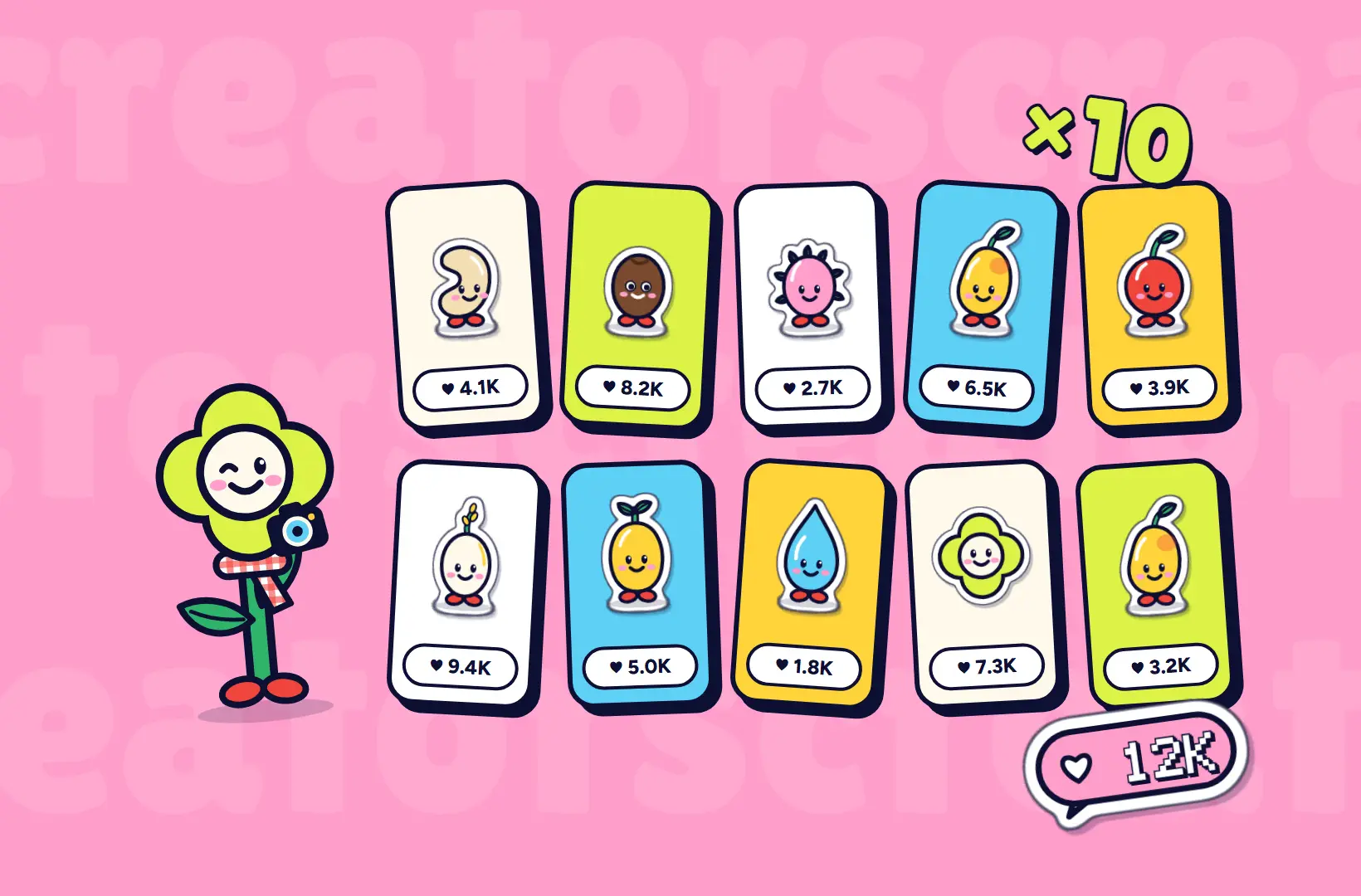
Brands are moving their creator budgets from celebrities to people with a few thousand loyal followers. For farm and food businesses, that shift plays to your strengths.
The influencer with a million followers still gets the attention, but less and less of the money. Brands are spreading their budgets across creators with a few thousand followers who actually listen to them.
Where the money is going
eMarketer expects micro and nano creators, roughly those with under 100,000 followers, to take 45.5% of influencer marketing spending in 2026, close to half of the total. Brands haven't stopped believing in creators. They've found that a smaller audience that trusts the person often sells more than a large one that only watches.
Why this suits food
Food is bought on trust and taste, and the most convincing proof is someone ordinary eating it. A home cook in Kampong Cham with 8,000 followers who makes your rice noodles for her family is more believable to her audience than a celebrity holding the pack for a photo.
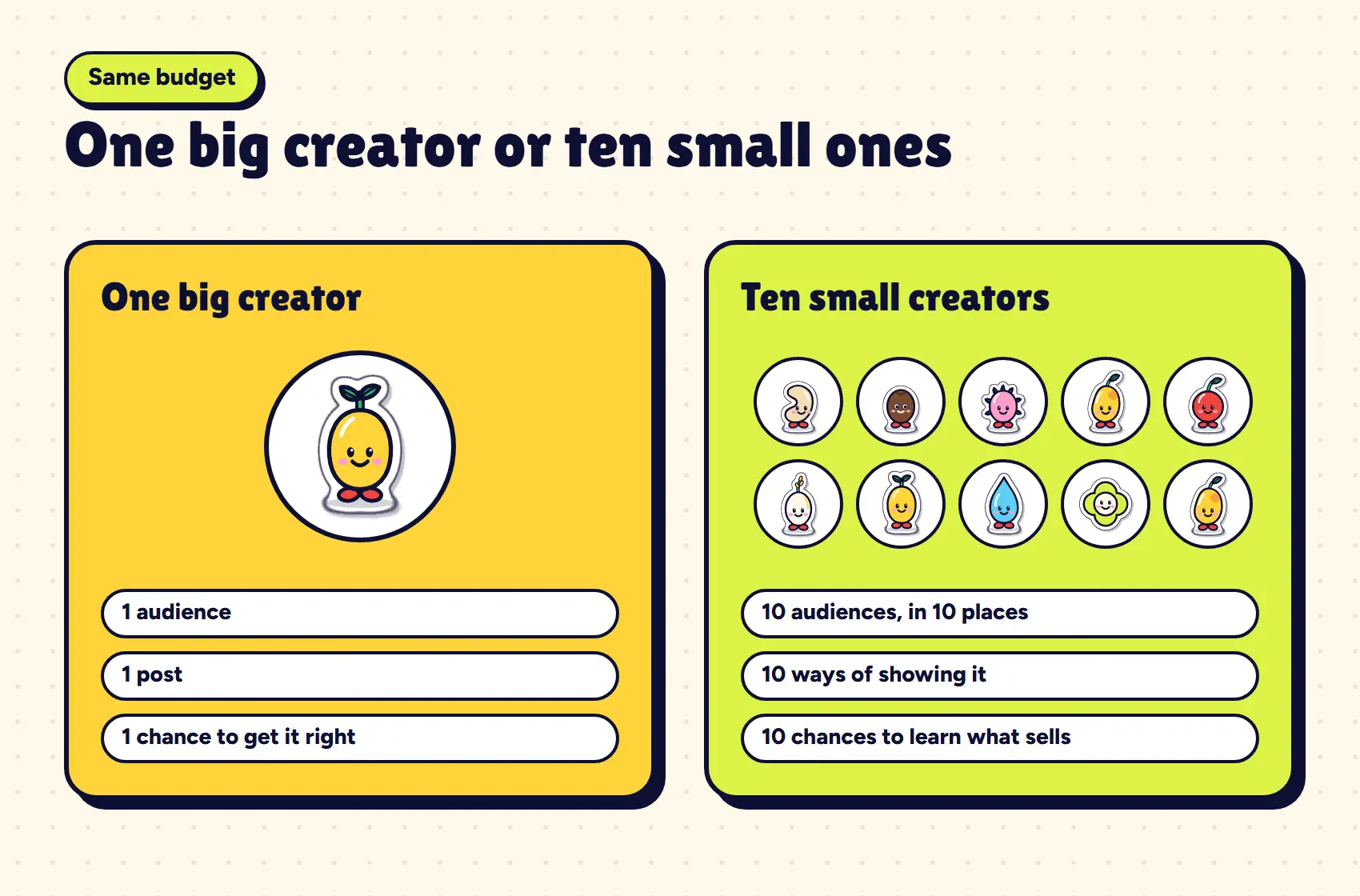
Small creators are also local. Ten of them in ten provinces reach ten different groups of buyers, where one famous account reaches one large group, much of which lives somewhere you don't deliver.
How to run it
- Choose by comments, not followers. Read what people say under their posts. Questions like "where can I buy this?" are worth more than a big number.
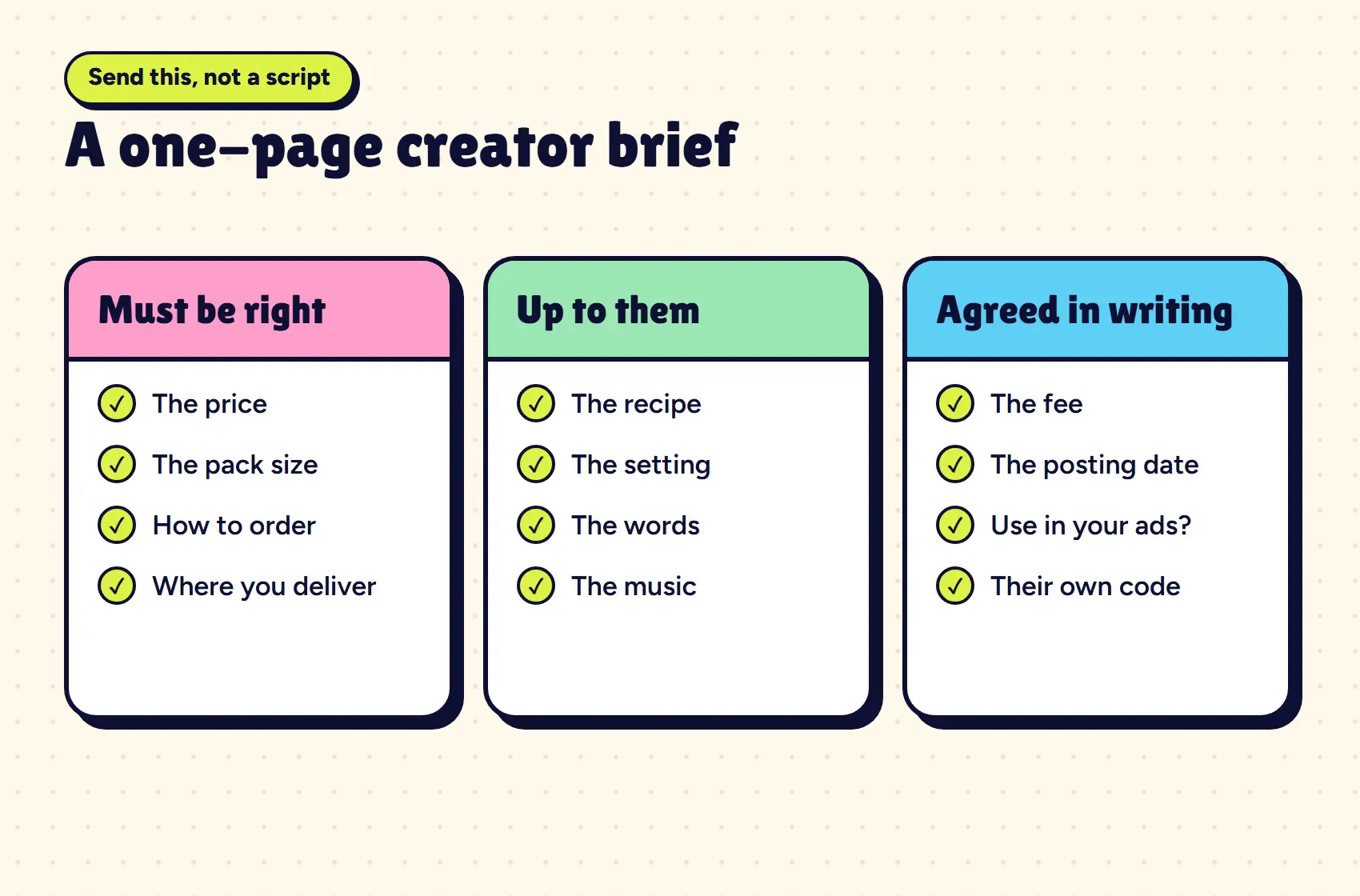
- Send the product, not a script. Creators know what works with their audience. Tell them what must be right and leave the rest to them.
- Agree the money and the rights in writing. The fee, when it posts and whether you can reuse the video in your own ads afterwards.
- Give each creator their own link or code. A separate chat link or discount code per creator tells you who sold, not only who was seen. Most sales here end in a chat, which is why ad reports miss them.
Then keep the ones who sell
After a month, look at the orders each creator's link or code brought in. Two or three will clearly outperform. Work with them again, for longer, and replace the rest with new names. The result is a small group of regular voices for your brand at a fraction of one celebrity's fee.
Some brands are now trying AI-generated creators instead. For food, where the whole point is that a real person tasted it, we'd stay away, and we've said why a person should sign off every AI-made ad.
 That's the note. Plant it somewhere.

Menghorng founded Lify in to give Cambodian harvests a name, and writes about brands, search, social media and payments for farm and food businesses.