The latest payment figures show how far Cambodia has moved to paying by phone. For marketers, that shortens the distance between seeing an ad and paying for the product.
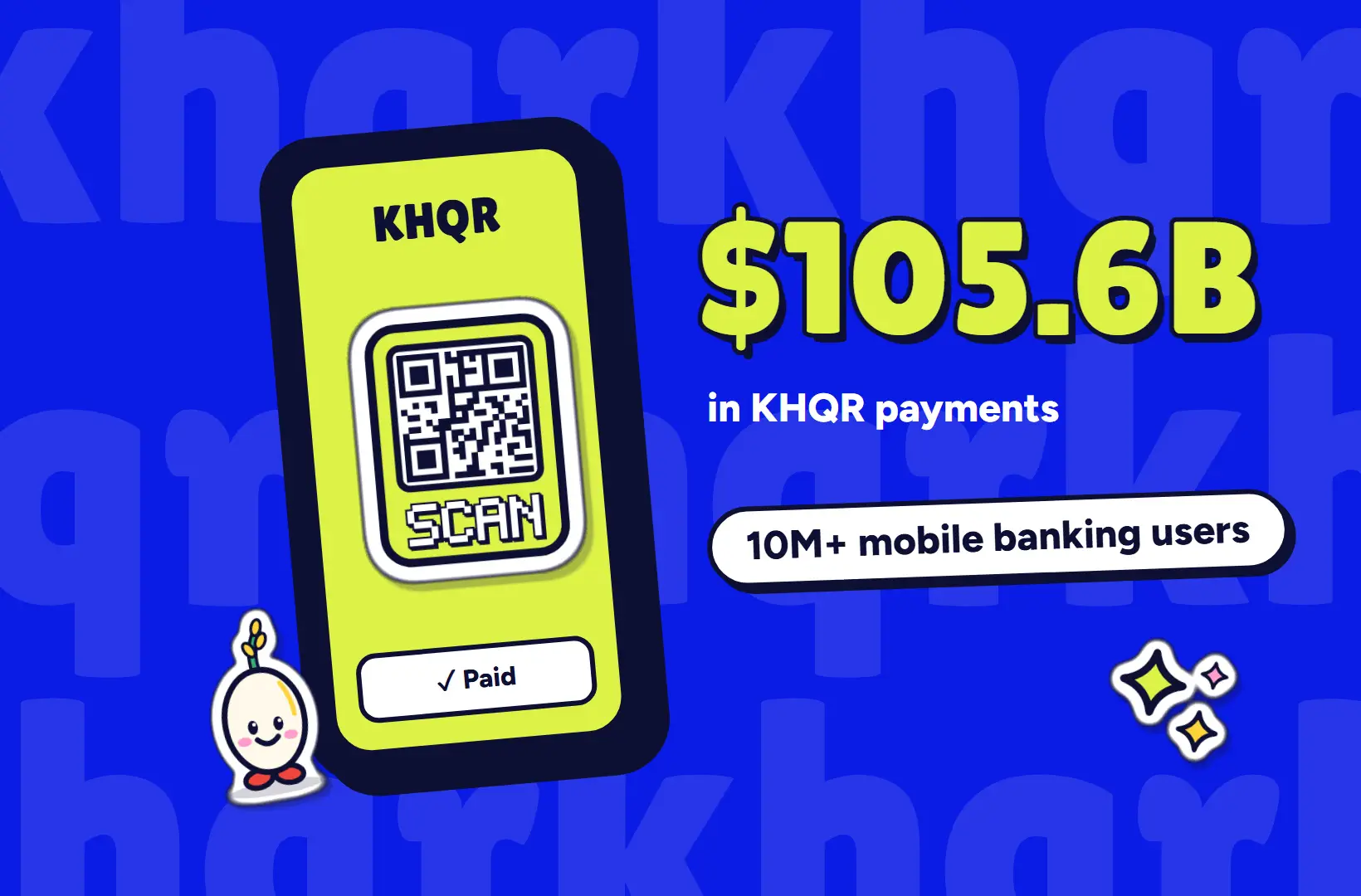
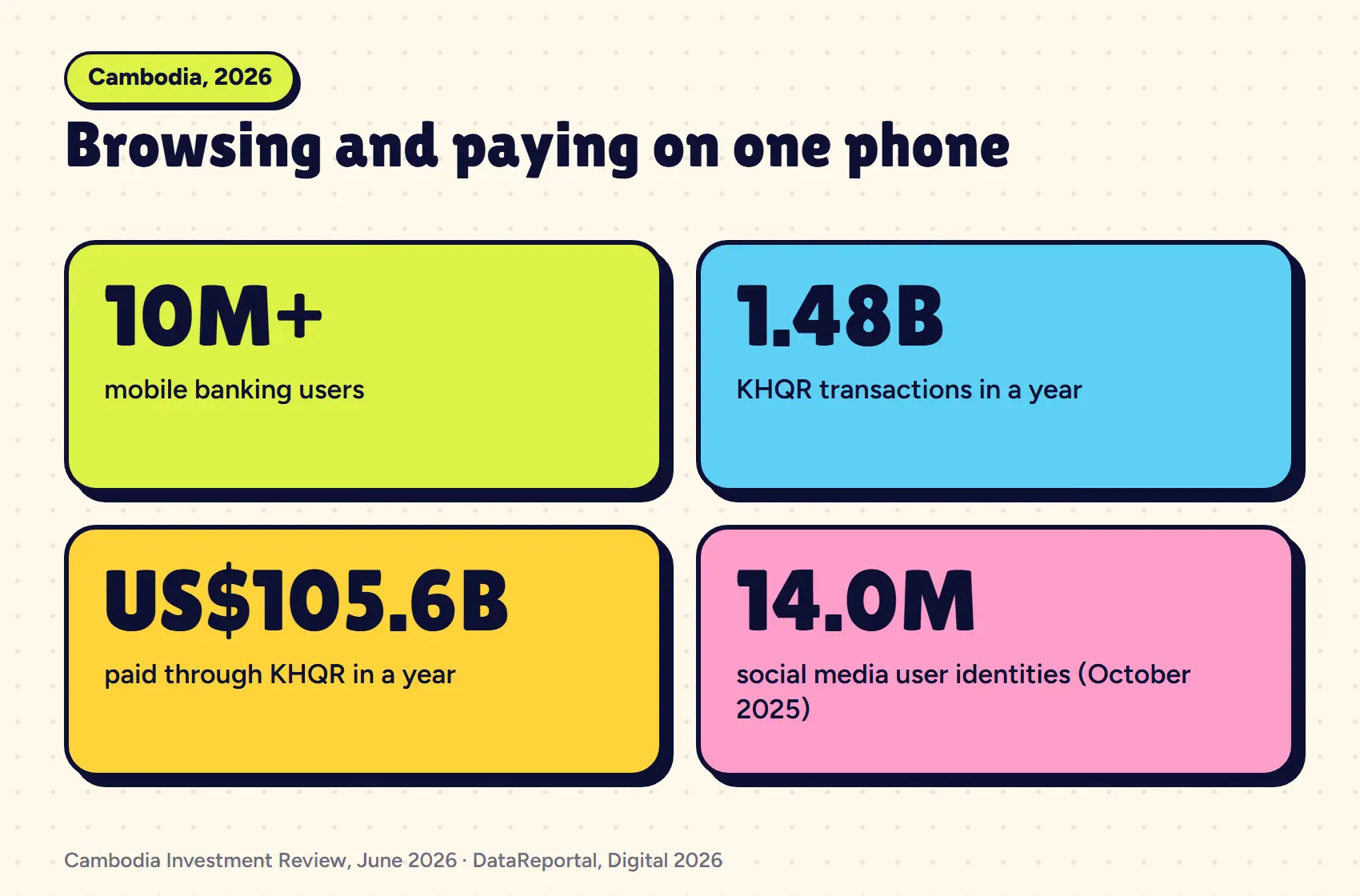
Cambodia has passed 10 million mobile banking users, and KHQR payments now run to more than US$105 billion a year, according to figures reported by Cambodia Investment Review. Taken together, those numbers change what a small business can expect from its marketing.
The numbers
KHQR handled about 1.48 billion transactions worth around US$105.6 billion. Bakong processed about 1.33 billion transactions in 2025. Set beside the audience figures in DataReportal's Digital 2026 report, which counted 12.0 million internet users and 14.0 million social media user identities in October 2025, the picture is of a market that browses and pays on the same device.
Those audience numbers are not counts of unique people, as one person can hold several accounts, so treat them as a sense of scale.
Why marketers should care
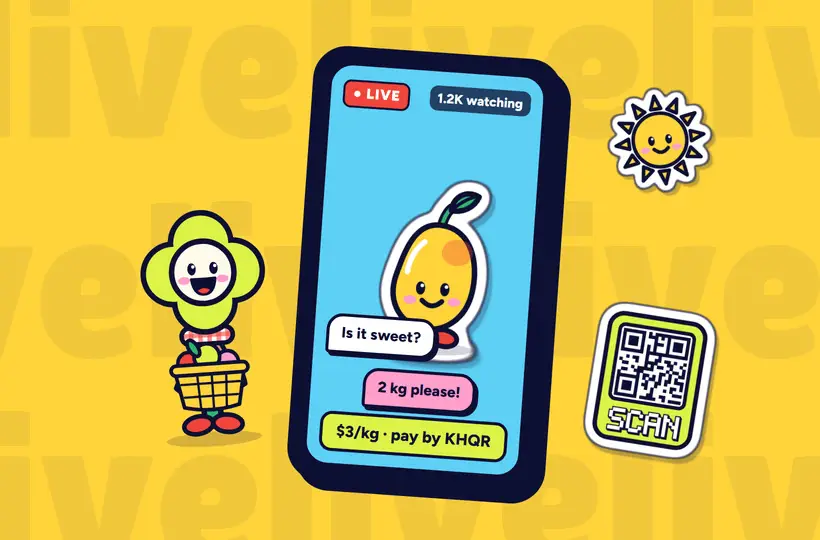
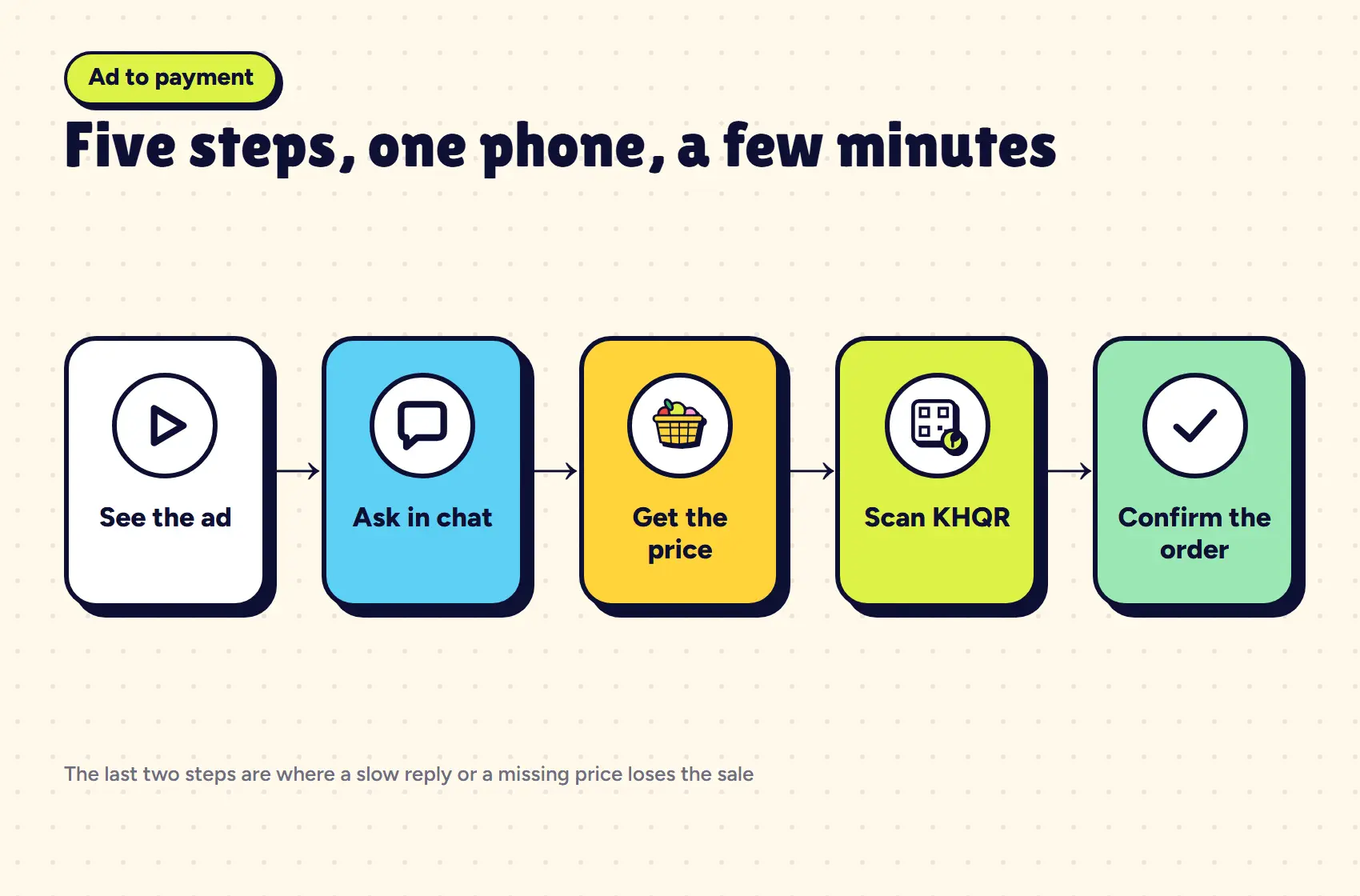
When paying is a scan away, the gap between interest and purchase gets shorter. A customer can see a TikTok, ask a question on Telegram and pay from the same phone, in a few minutes, without going near a website checkout.
That has two consequences. The sale often happens in a chat, so your ad report may never see it. And the last step becomes the place you can lose someone: a slow reply or a missing price now costs more than an imperfect ad.
What to do next
- Put your KHQR code in the saved replies your team sends, along with the price.
- Keep a record of which ad each paid order came from. We explain a simple way in our piece on chat sales.
- Set a reply time your team can actually keep, and measure it.
Most of the work here is operational, and that's good news. A business that answers fast and makes paying easy doesn't need a bigger ad budget to sell more from the one it already has.
 That's the note. Plant it somewhere.

Menghorng founded Lify in to give Cambodian harvests a name, and writes about brands, search, social media and payments for farm and food businesses.